Understanding Professional Slot Play Behavior
Slot machine etiquette encompasses the unwritten social rules governing respectful casino floor behavior. While slot machines operate through chance rather than strategy, the social environment surrounding them demands specific behavioral standards ensuring all players enjoy positive experiences. Understanding slot machine etiquette turns casual button-pushers into respected community members appreciated by both casino staff and fellow players.
For slot players, the useful distinction is between what the game controls and what you control. The machine controls the random outcome, RTP model, and volatility; you control game selection, stake size, session length, and whether you chase losses.
Slot machine etiquette differs significantly from table game etiquette due to machines’ non-competitive nature. Unlike blackjack where player strategy affects outcomes, slots feature isolated experiences where other players’ actions have zero impact on your results. This isolation paradoxically requires MORE etiquette respect since frustration and emotional reactions become magnified without game-based camaraderie.
This guide breaks down casino do’s and don’ts for slot machines: explaining personal space protocols, machine reservation rules, drinking and smoking standards, tipping expectations, superstition boundaries, and emotional discipline frameworks. You’ll master respectful slot play enabling enjoyable experiences for yourself and those around you.
Quick Takeaway: Slot machine etiquette priorities: (1) Respect personal space—don’t hover or lurk near playing machines, (2) Occupy only one machine when casinos are busy, (3) Sit only if playing—seats are for players not spectators, (4) Keep drinking moderate—maintain control and composure, (5) Respect casino staff with courtesy and tips, (6) Keep celebrations quiet—remember others are playing too.
Personal Space and Machine Reservation: Respecting Boundaries
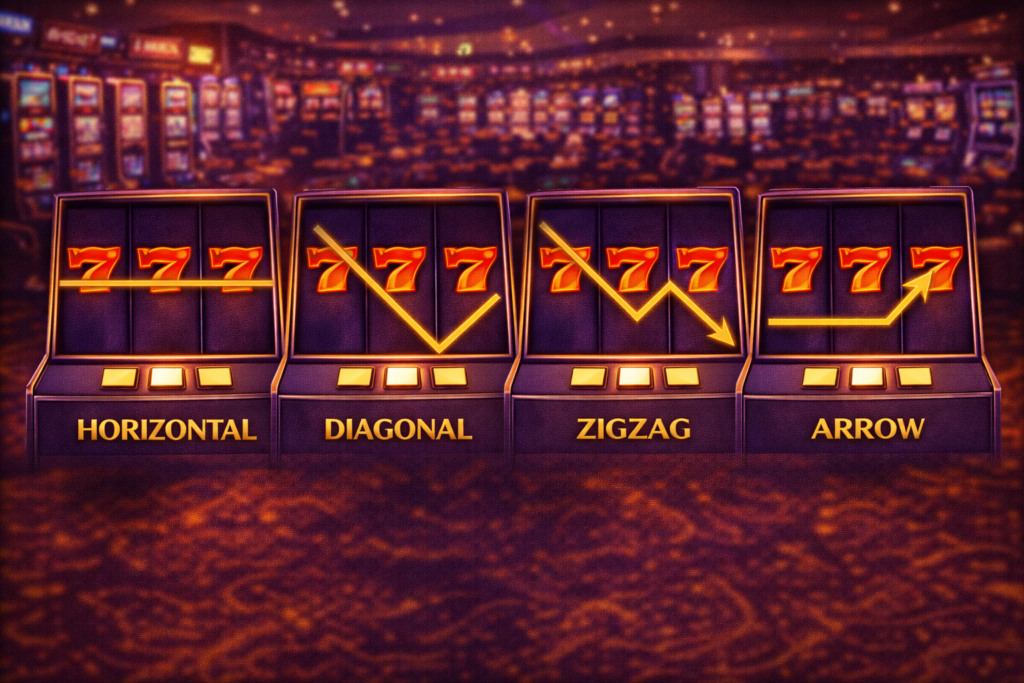
Understanding the Space Boundary
The critical principle: When someone is actively playing a slot machine, they’ve established temporary ownership of that machine and its immediate vicinity. Violating this space through hovering, standing too close, or lurking represents the most common etiquette violation.
What hovering looks like:
- Standing directly behind a playing machine
- Peering over a player’s shoulder
- Positioning yourself in their peripheral vision
- Pacing back and forth waiting for their turn to end
Why it’s problematic: Hovering creates psychological pressure on active players, distracts their concentration, and makes them feel uncomfortable. In practical play, the useful signal is the pattern you can observe repeatedly.
Proper Space Protocol
Best practice: When waiting for a machine, maintain at least 6+ feet distance from active players. Browse adjacent machines, stand perpendicular to their line of sight, or simply walk the casino floor until your desired machine becomes available.
If approached by someone willing to leave soon: Ask politely during a natural break: “Hey, how much longer will you be here?” Respect their answer without complaint or pressure.
Professional insight: Most players finish within 15-30 minutes. Waiting indefinitely demonstrates patience that casino staff recognize and appreciate.
Machine Reservation Policies
Critical rule: Don’t leave a machine “held” for extended periods. Acceptable hold times vary by casino:
- 5-15 minutes: Bathroom breaks, quick drink runs—standard acceptable
- 15-30 minutes: Longer breaks, meal planning—approaching limit
- 30+ minutes: Unacceptable—you’ve essentially abandoned the machine
The “Reserve” button caution: Some casinos offer official “Reserve” buttons. Understand your specific casino’s hold policies before using this feature—many casinos restrict hold times to 15 minutes maximum.
Pro Tip: If taking an extended break, ask slot attendants about specific hold policies. Most staff appreciate inquiries and will guide you properly.
Playing Multiple Machines: Context and Respect
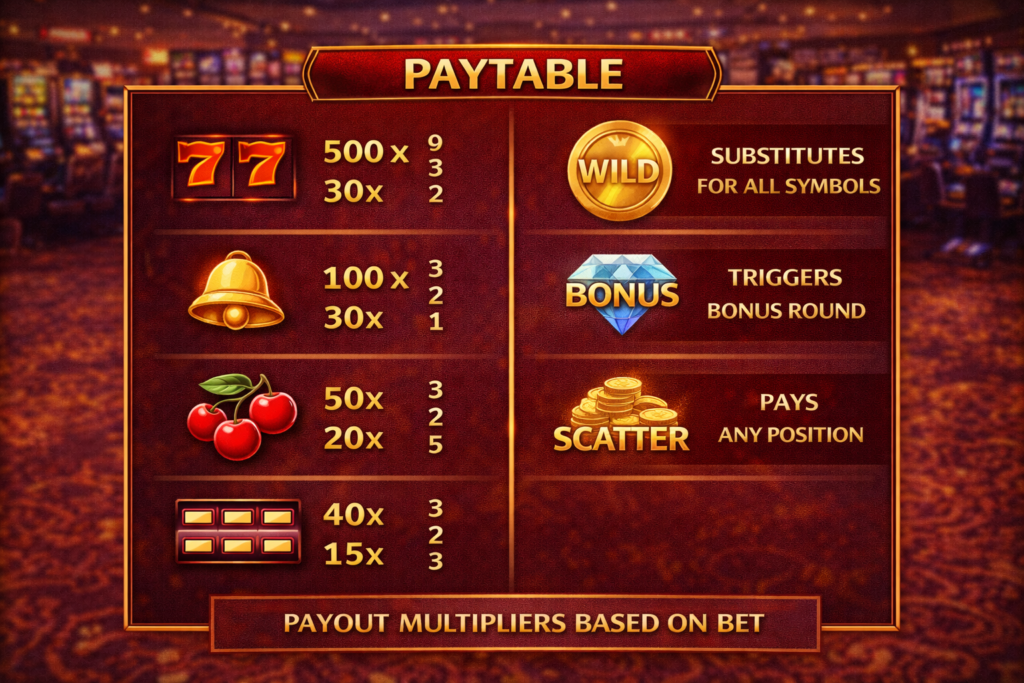
The Crowd-Dependent Principle
The fundamental rule: Multiple machine play acceptability entirely depends on casino crowd levels.
Quiet times (off-peak hours, weekday mornings):
Playing 2-3 adjacent machines simultaneously is generally acceptable. Your ability to monitor multiple machines doesn’t interfere with anyone else’s access.
Busy times (evenings, weekends, holiday periods):
Restrict yourself to single machine play. Multiple machine occupation during busy periods denies other players access and violates unwritten community standards.
How to Identify Crowd Levels
Visual indicators of “busy”:
- Visible wait lists for popular machines
- Players standing waiting for available machines
- All or most machines occupied
- Security staff actively managing floor traffic
During these times: Single machine play is mandatory respectful behavior.
Visual indicators of “quiet”:
- Multiple empty machines
- No visible wait lists
- Less than 50% machine occupancy
- Relaxed floor atmosphere
During these times: Multiple machine play is acceptable if you can manage them responsibly.
Seats Are for Players: Distinguishing Playing from Spectating
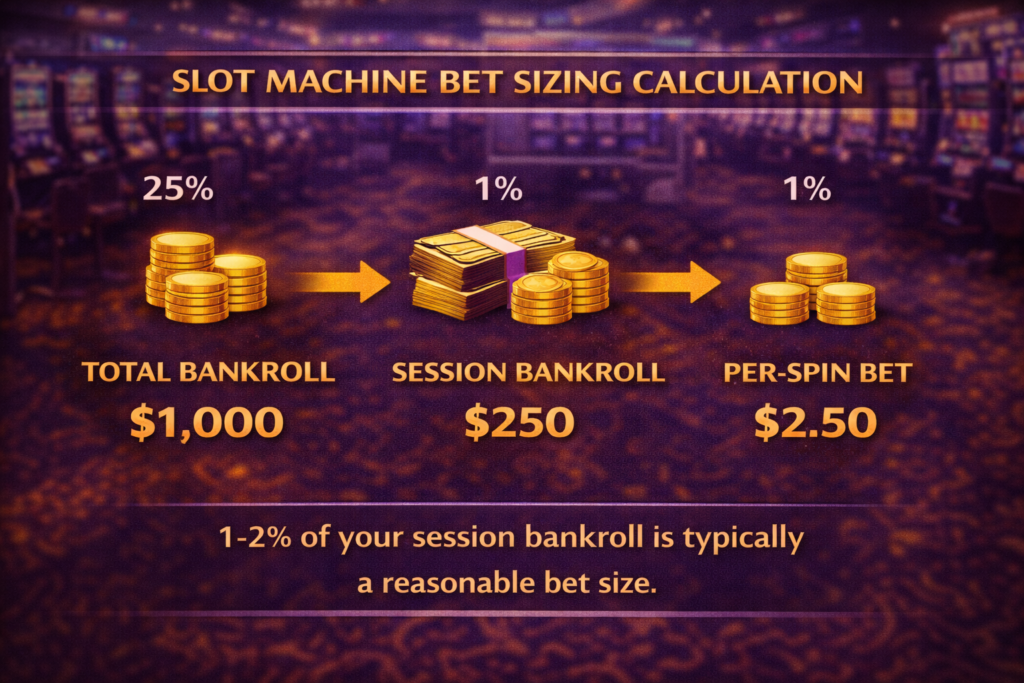
The Fundamental Rule
Slot machine seats are exclusively for active players. If you’re sitting but not playing, you’re occupying a machine out of commission—denying other players access while generating zero revenue for the casino.
Common violation: One person in a couple plays while their partner occupies the adjacent seat watching. This effectively blocks two machines while only one generates revenue.
Proper alternative: If watching, stand comfortably nearby rather than occupying a seat. Casino floors provide standing-room viewing opportunities without chair occupation.
Exceptions and Special Circumstances
Brief breaks (<15 minutes): Sitting at an inactive machine for short rests is generally tolerated during quiet casino times.
Accessibility needs: Players with mobility issues may require seated rest periods during breaks. Staff typically accommodates this with understanding.
When conflicts arise: Slot attendants or security will likely request vacating seats during busy periods. Comply gracefully—your cooperation prevents escalation.
Drinking and Smoking: Knowing Boundaries
Alcohol Management
The critical standard: Moderation is mandatory. Excessive drinking impairs judgment, increases emotional volatility, and creates disruptive behavior affecting everyone nearby.
Practical guideline: One drink per 1-2 hours represents reasonable consumption rate maintaining composure.
Professional insight: Maintaining sobriety protects both your bankroll and your reputation.
What NOT to do:
- Get drunk then aggressively challenge staff or other players
- Spend excessive bankroll while intoxicated
- Become emotionally volatile with other players
- Abuse free drink policies by sitting without playing
Smoking Protocol
In smoking-allowed casinos:
- Use designated smoking areas only
- Direct cigarette smoke away from non-smoking players
- Keep ashtrays at your own machine, not reaching across to others’ machines
- Use designated ashtrays—don’t ash directly into games
In no-smoking casinos or non-smoking sections:
- Absolutely no smoking—it’s often legally mandated
- Violating this invites security intervention and potential arrest
- Respect designated non-smoker areas completely
Respecting Casino Staff: Tipping and Courtesy
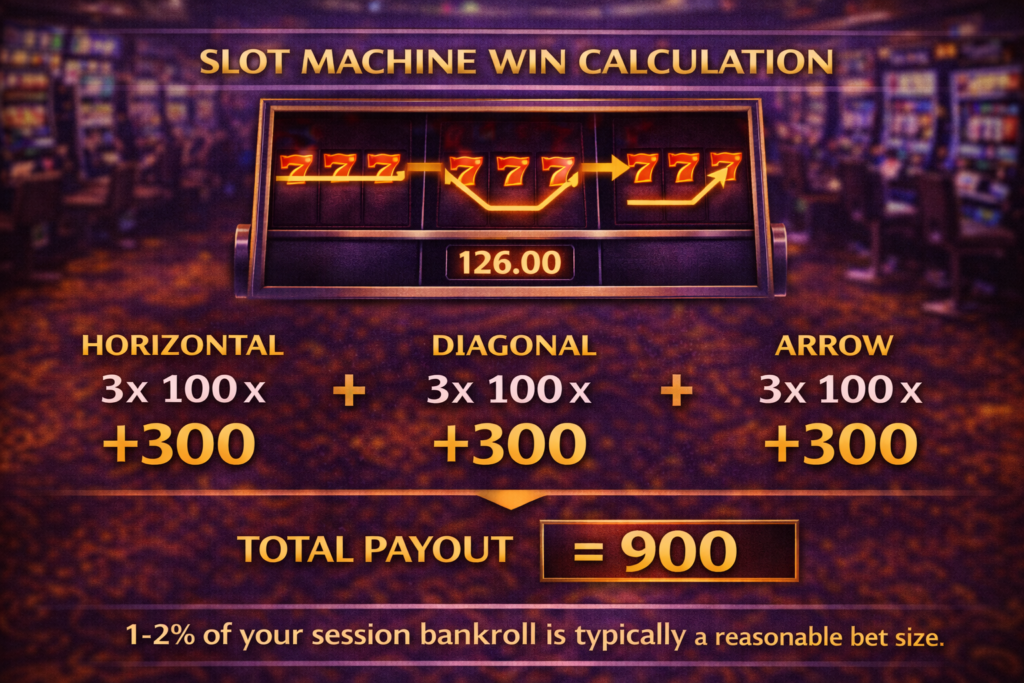
Tipping Expectations
Cocktail servers: $1-2 per drink is standard appreciation
Slot attendants: $5-10 for assistance with larger wins or machine issues
Casino cage staff: If winning substantial jackpots (>$1,200 typically), $10-20 tips distributed to floor staff is customary
Why tipping matters: Casino staff heavily rely on tips supplementing wages. Your recognition generates goodwill translating to better service and courteous interactions.
Courteous Staff Interaction
Best practices:
- Address staff respectfully—”Excuse me, could you help…” rather than demanding
- Acknowledge their help with gratitude
- Never blame staff for your losses
- Complain to management, not individual staff members
- Report rule violations professionally rather than confrontationally
What NOT to do:
- Yell at staff about losing streaks
- Blame dealers/attendants for machine malfunctions or poor results
- Demand special treatment without courtesy
- Tip-shame staff for not providing preferred service
- Take your frustration out on those simply doing their jobs
Emotional Management: Handling Wins and Losses
Celebrating Appropriately
When winning: Moderate celebration is acceptable—quietly enjoying your win shows respect for others’ experiences.
Excessive celebration: Loud shouting, excessive table-slapping, or drawing attention is disrespectful to losing players around you.
Pro Tip: Enjoy your win internally or celebrate with companions quietly. Others are focused on their own play and don’t need to witness your victory.
Handling Losses Gracefully
The standard: Accept losses as inherent to gambling—never blame staff, machines, or other players.
What NOT to do:
- Curse at machines or staff
- Blame “rigged” machines
- Demand refunds for legitimate losses
- Become aggressive toward other players
- Let frustration escalate to confrontation
Professional behavior: Accept losses quietly, step away if frustrated, return when emotionally composed.
Superstitions and Respect: Believing Without Imposing
Understanding Common Superstitions
Many players believe in “hot” machines, “lucky seats,” or specific rituals influencing outcomes. While these beliefs lack mathematical basis (RNG ensures independence), respecting others’ superstitions is important etiquette.
Common slot superstitions:
- Tapping cabinets for luck
- Avoiding seats where “bad luck” occurred
- Requesting specific machines based on past wins
- Timing spins with specific rituals
Etiquette Around Superstitions
Do respect: Don’t mock others’ superstitious practices
Don’t interfere: Don’t interrupt their rituals or suggest they’re wasteful
Accept differences: Players with varying superstition levels coexist peacefully through mutual respect
Common Etiquette Violations and Prevention
Violation #1: Lurking and Hovering
How to avoid: Maintain distance, browse other machines, or return later
Violation #2: Playing Multiple Machines During Busy Times
How to avoid: Confirm crowd level, restrict to single machine accordingly
Violation #3: Occupying Seats Without Playing
How to avoid: Stand for spectating, only sit if actively playing
Violation #4: Excessive Drinking
How to avoid: Limit consumption, maintain sobriety throughout
Conclusion: Mastering Slot Machine Etiquette
Slot machine etiquette reflects respect for shared space, community, and casino staff. Mastering these principles turns your slot play from potentially problematic to genuinely respected behavior.
Core etiquette principles:
- Respect personal space (maintain distance, avoid hovering)
- Occupy appropriate machines (single during busy times, multiple during quiet)
- Sit only when playing (vacate seats for active players)
- Manage alcohol moderately (maintain composure and control)
- Respect staff professionally (courtesy, tipping, gratitude)
- Celebrate and accept gracefully (quiet wins, dignified losses)
- Respect diverse superstitions (don’t mock, don’t interfere)
With these frameworks implemented, you’ll approach slots as a respected community member contributing to positive casino experiences for everyone.
Responsible Play Note
Casino strategy can reduce avoidable mistakes, but it cannot remove variance or guarantee profit. Set a budget before you play, keep gambling separate from income or bills, and stop when the session limit is reached. If gambling stops feeling recreational, take a break and use local support resources.