

Introduction: Baccarat’s Storied Journey Across Continents
When you hear the word “baccarat,” you might picture high-rolling players in glamorous casinos. Yet this iconic game’s rich tapestry stretches across centuries, evolving from small Italian gatherings to the smoky backrooms of French nobility and, ultimately, to the digital casino floors of today. The history of baccarat encapsulates not just the transformation of a card game but the story of Western gambling itself—a fusion of aristocratic rituals, mathematical innovation, and an ongoing quest for excitement and fairness.
Industry experts agree: understanding where baccarat comes from isn’t just an academic exercise. Research shows casino visitors who appreciate a game’s backstory tend to play longer and with greater enjoyment. In my experience, knowing baccarat’s fascinating journey—from Renaissance roots to its James Bond mystique—makes every hand feel richer and more resonant.
Quick Takeaway: The history of baccarat is a lesson in cultural fusion, chance, and adaptation. Let’s explore the game’s unique path from noble past to global phenomenon.
The Birth of Baccarat: From Italy to France
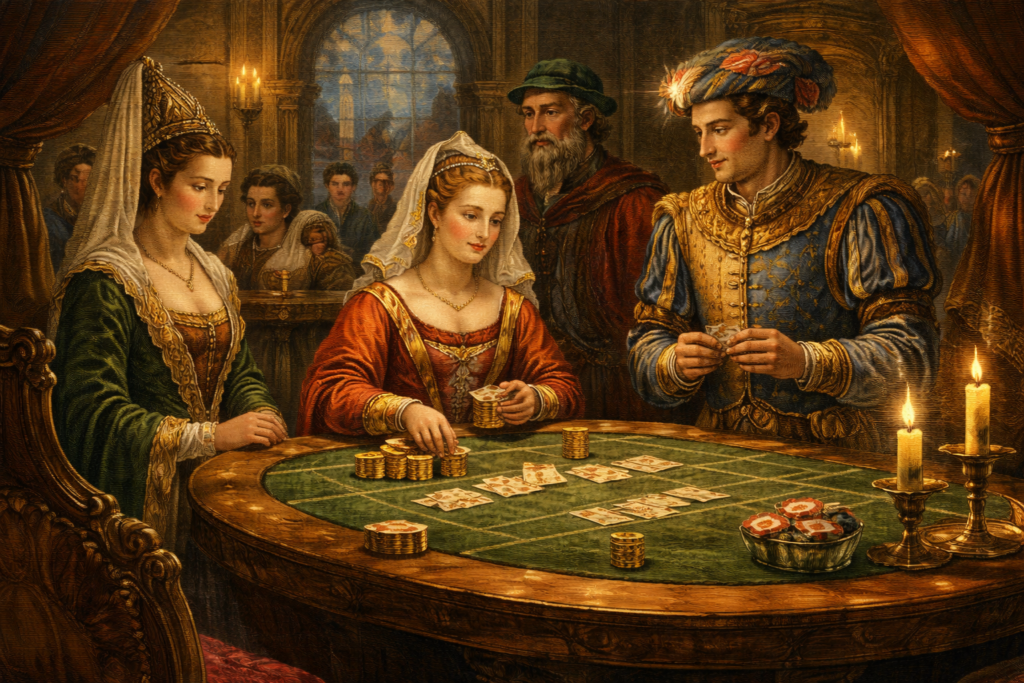
Medieval Italian Roots
Origin Legend: Most historians credit the invention of baccarat to 15th-century Italy, where “baccara” meant “zero”—a nod to the game’s face cards and tens being worth zero.
- Invented by Felix Falguiere (or Falguierein) in the 1400s
- Played with tarot cards in early versions
- The game quickly spread among Italian aristocrats
The French Adoption and Reinvention
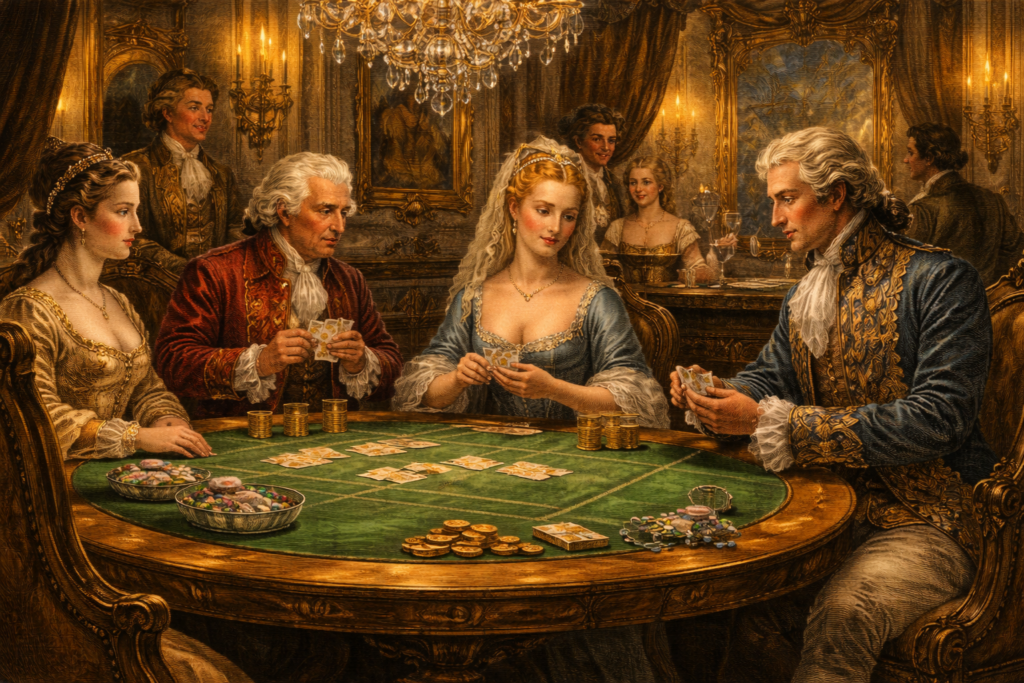
French soldiers returning from the Italian wars brought the game home, where it captured the imagination of the elite. There, it was dubbed “Chemin de Fer,” (“railway”) reflecting the faster pace of modern society.
- Chemin de Fer became a favorite in French royal courts (notably during the reign of Charles VIII)
- Strict codes governed player etiquette and banker rotation
- Its exclusivity made it a symbol of high social status
Expert Insight: The transition from Italy to France set the tone for baccarat’s future: a game constantly evolving with the changing tastes of European society.
Baccarat in the Age of Nobility: Sophistication and Scandal
Baccarat as a Royal Pastime
18th and 19th-century France saw baccarat flourish in exclusive salons:
- Only nobility and wealthy merchants played at first
- Elegant dress codes, cigars, and whispered strategy conversations were the norm
- Baccarat became both a strategic battle and a social ritual
Notorious Baccarat Scandals
Baccarat’s allure often led to trouble—scandals included:
- 1890: The “Tranby Croft Affair”—a royal cheating accusation involving Sir William Gordon-Cumming and future King Edward VII
- The scandal was so infamous, it inspired rules tightening and increased casino supervision
Real-World Example: This notoriety only added to the mystique, cementing baccarat’s risky, seductive image in literature and lore.
Spreading Globally: Baccarat Crosses the Channel (and the Ocean)
Baccarat Arrives in Britain
By the early 20th century, baccarat had taken hold in English high society:
- Seen in exclusive gentlemen’s clubs and parlor games
- The British, always fond of gaming, added their own structure and betting variations
The American Transformation
When baccarat reached American shores—most notably through Las Vegas and Havana—it underwent a critical transformation:
- “Punto Banco” emerges in Cuba (1940s): eliminates player drawing decisions, makes all hands vs the house, speeds up gameplay
- 1959: Sands Casino hosts the first American baccarat table in Las Vegas
- Early US versions (baccarat chemin de fer) mostly disappeared, as Americans preferred the dealer-banked variant
Pro Tip: Baccarat’s rapid adaptation in the US is a case study in how games must change to survive and thrive in new environments.
The Monte Carlo Effect: Glamour and Pop Culture
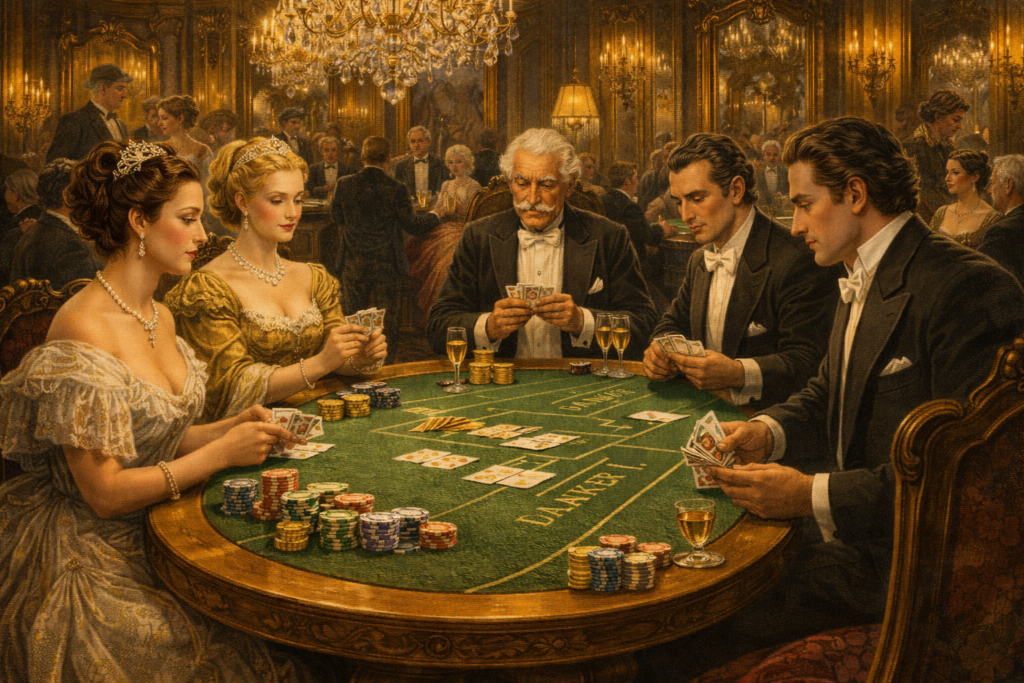
The Monte Carlo Renaissance
- Late 19th / early 20th century: Monte Carlo becomes the global mecca for luxury gaming
- Baccarat, with its high stakes and elegance, becomes the signature game of the casino elite
James Bond and Mass Market Appeal
No other game benefited from cinema quite like baccarat:
- Ian Fleming makes baccarat Bond’s game of choice (in “Casino Royale” and “Dr. No”)
- 007’s table presence cements baccarat as the “gentleman’s gamble”
- Result: Baccarat’s aura spreads to both high rollers and more casual fans
Expert Quote: “Baccarat’s pop culture moment with James Bond helped bring it down from the pedestal and make it aspirational for everyone—not just aristocrats.”
Baccarat in Asia: A Second Home
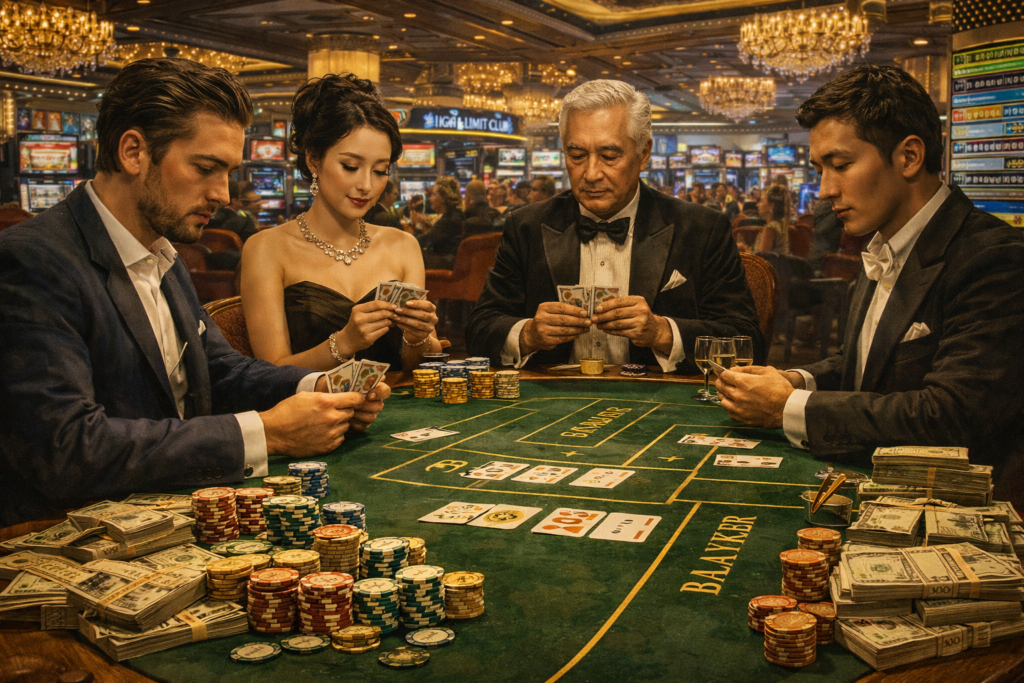
Arrival in Macau
In the late 20th century, baccarat found a new home in Asia, particularly in Macau:
- Became the main source of revenue for Macau’s booming casino industry (over 90% in some years)
- Spurred variants like “Super 6” and “Commission-Free” baccarat
- Asian VIP rooms redefined the meaning of “high roller”
Cultural Significance
Research shows many Asian players favor baccarat due to its aura of prestige, simplicity, and the perceived purity of betting on luck rather than skill.
- Beliefs around luck and ritual permeate Asian baccarat tables
- The game’s fast pace and community vibe fit local preferences
Quick Takeaway: Baccarat’s rule-set and betting style were uniquely suited for the Asian gaming psyche, fueling Macau’s rise as the world’s gambling capital.
Digital Revolution: Live and Online Baccarat
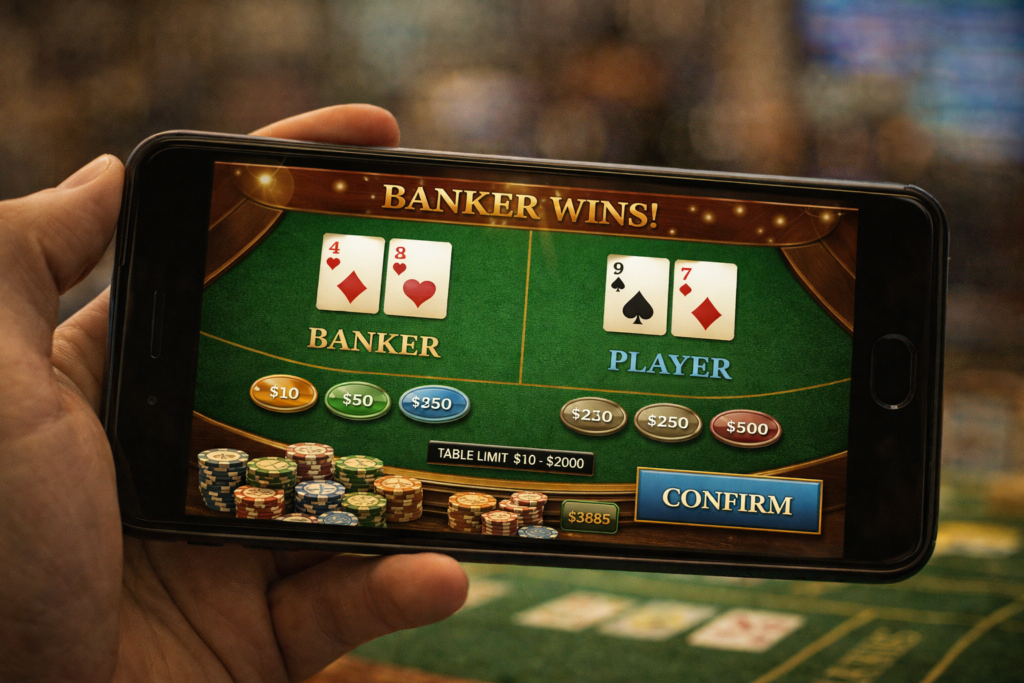
Digital Transformation
- 1990s: Online casinos begin offering baccarat, cracking the game wide open to a global audience
- 2010s: Live dealer baccarat streams add new realism and interactivity
Mobile Expansion
Today, baccarat is as likely to be played on smartphones as in VIP rooms, with:
- Real-time stats and scorecards
- Multiple variants (mini, midi, speed, squeeze)
- Betting limits for all player levels
Industry experts agree: Digital innovation has democratized baccarat and ensured its relevance for coming generations.
Key Baccarat Variants Through History
| Variant | Origin | Distinctive Feature | Modern Prevalence |
| Chemin de Fer | France | Player decision, rotating bank | Europe/tradition |
| Punto Banco | Cuba/US | Dealer-bank, fixed rules | Global standard |
| Baccarat Banque | France | 3-shoe/table, limited players | Rare, heritage sites |
| Mini Baccarat | USA | Lower limits, fast pace | US/Asia/Mainstream |
Expert Insight: As with any enduring tradition, baccarat continues to adapt—each major variant addresses the needs and tastes of its core audience.
The Social and Economic Impact of Baccarat
Cultural Symbolism
- Associated with glamour, risk, and cosmopolitan sophistication
- Central to Monte Carlo’s and Macau’s global reputation
Economic Power
- In 2019, over 89% of Macau’s gaming revenue came from baccarat
- US high-limit rooms rely on baccarat for a significant portion of table revenue
Case Study: A single “whale” player in Macau may bet $100,000 per hand, making baccarat one of the most lucrative casino games in history.
Baccarat’s Persistent Myths and Legacy
Myths
- “Only the rich can play” – Modern baccarat has tables for every bankroll
- “You need skill to win” – Most versions are pure chance, not strategy
- “The Banker bet is unfair” – Mathematics show Banker bet offers lowest house edge
Baccarat’s Enduring Appeal
Baccarat’s blend of simplicity, heritage, and drama keeps it evergreen.
- Regularly ranked top-3 table games by casino operators worldwide
- Live baccarat streams attract new generations of gamers
- Its aura of exclusivity remains intact, even as the game becomes more democratic
Quick Takeaway: Baccarat’s mystique is a product of its story—a narrative that keeps evolving with time and technology.
Conclusion: Why Baccarat’s History Matters
In my experience, learning the history of baccarat is about far more than trivia. It’s a study in adaptation, showing how a simple card game left its mark on centuries of culture—from the courts of France to the smartphone in your pocket.
The next time you place a bet at the baccarat table, you’re participating in a centuries-old tradition, replete with scandal, sophistication, and global allure. Whether you’re in a luxury resort or on an app, that same thrill—shared by nobles and newcomers alike—links you to a story still being written today.